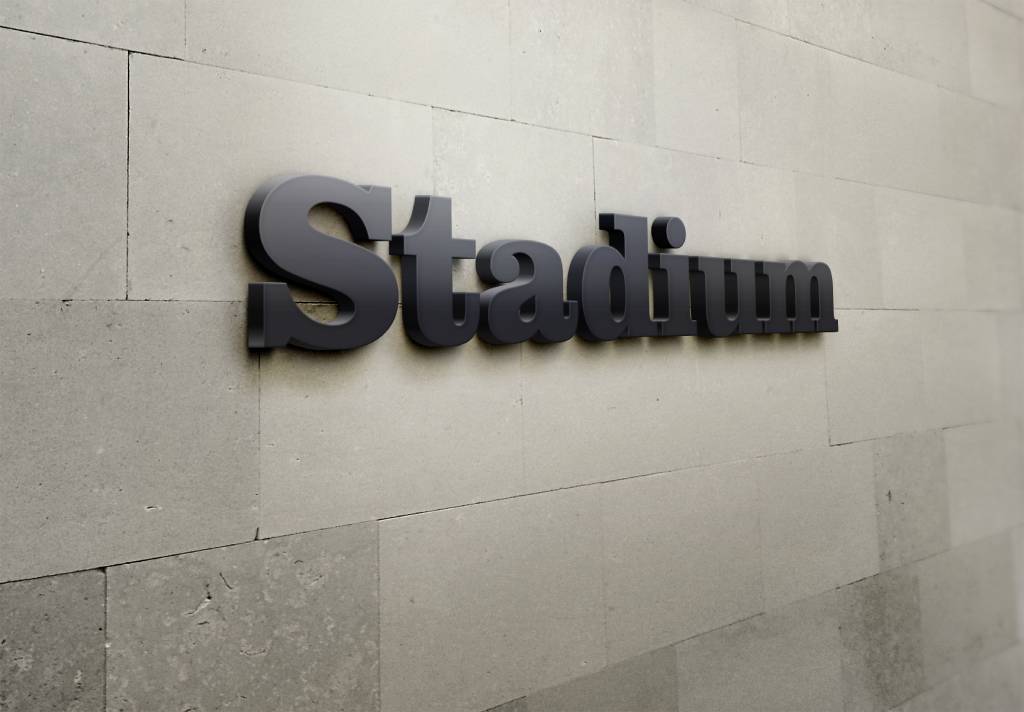
What is monument signage? It’s a ground-level, freestanding sign designed for long-term durability and strong brand visibility at a property’s entrance. Monument signs enhance curb appeal while clearly identifying businesses in a professional, permanent way.
- Positioned low to the ground for easy readability
- Built with durable materials like stone, metal, or concrete
- Often illuminated for 24/7 visibility
- Ideal for offices, retail centers, schools, and healthcare facilities
- Can support single or multi-tenant branding
Your business’ exterior – and the signage accompanying it – define customers’ first impression of your company. Signs help communicate your brand, professionalism, and visibility. That’s where monument signage plays a critical role.
So, what is monument signage? In simple terms, it’s a type of freestanding sign designed to sit low to the ground. It offers a clean, permanent, and highly visible way to identify a property or business. You’ve likely seen monument signs outside office parks, retail centers, schools, and medical facilities — built with durable materials and designed to complement the surrounding architecture.
In this guide, we’ll break down what monument signage is and how it differs from other sign types. We’ll also cover why it can be one of the most effective long-term investments for businesses looking to enhance curb appeal and brand presence.
What Is Monument Signage?
If you’re still wondering “What is a monument sign?” or “What are monument signs?”, the answer comes down to both structure and purpose.
These signs are built to be sturdy, permanent fixtures that clearly identify a business, property, or group of tenants. They’re commonly constructed using materials like brick, stone, concrete, metal, or high-density foam, often chosen to complement the building’s exterior.
A defining feature of monument signage is its integrated design. Rather than standing apart from its surroundings, the sign is usually incorporated into landscaping or architectural elements. This helps it feel like a natural extension of the property.
Compared to other freestanding signage options, monument signs prioritize aesthetics and branding over height. While they may not be visible from as far away as taller signs, they excel at creating a polished, high-end look that reinforces credibility and professionalism right at the point of entry.
Key Benefits of Monument Signs
One of monument signs’ biggest advantages is the professional, permanent impression they create. Because they’re built with high-quality materials and integrated into the property, they immediately signal stability and credibility to customers.
From a branding perspective, monument signage provides strong street-level visibility. Positioned at eye level, these signs are easy for passing drivers and pedestrians to read, especially when placed near entrances or along busy roadways. This makes them highly effective for reinforcing brand identity right where decisions are made.
Monument signs also stand out for their durability. They’re designed to withstand harsh weather conditions, making them a long-term solution that needs minimal maintenance. In many areas, they’re also more likely to comply with local zoning regulations compared to taller signage options, which can face stricter height restrictions.
Additionally, monument signs can enhance the overall appearance of a property. Whether for a single business or a multi-tenant complex, they contribute to curb appeal and can even boost perceived property value.
Common Types of Monument Signs
Masonry Monument Signs
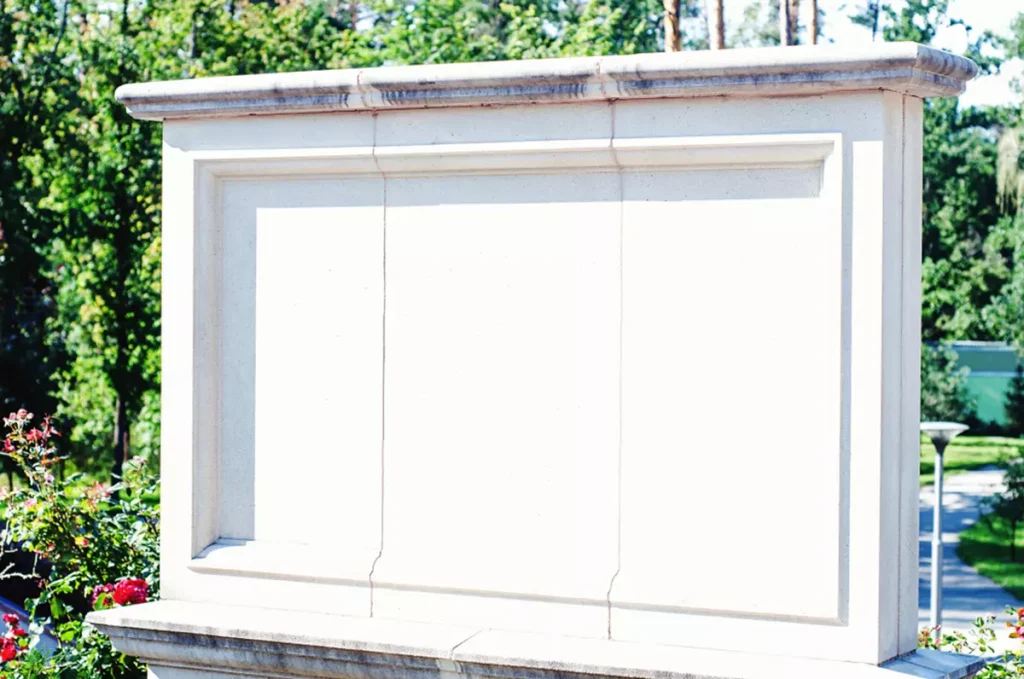
These are constructed from materials like brick, stone, or concrete. They’re often considered the most durable, upscale option. Masonry monument signs are commonly used by corporate campuses, schools, and municipalities that want a timeless, architectural look that blends seamlessly with the building.
Panel Monument Signs
Panel signs use materials such as aluminum or composite panels mounted onto a structural base. They offer a more cost-effective solution while still delivering a clean, professional appearance. These are popular among retail businesses and smaller commercial properties.
Illuminated Monument Signs
Lighting can significantly improve visibility, especially at night. Illuminated monument signs may feature internal LED lighting or external fixtures like spotlights. This type works well for businesses that operate after dark or want to maintain visibility 24/7.
Digital or Electronic Monument Signs
These signs incorporate LED message centers or digital displays that allow for changing messages, promotions, or announcements. They’re common among schools, churches, and event venues that need to communicate frequently with their audience.
Multi-Tenant Monument Signs
Designed for shopping centers, office parks, and commercial developments, these signs include multiple panels to display the names of different businesses. They provide a cohesive look while giving each tenant visibility at the property entrance.
Design Considerations for Monument Signage
Designing effective monument signage goes beyond simply displaying a business name. Every element, from materials to placement, should support visibility, branding, and long-term performance.
Start with consistency. Your sign should reflect your company’s colors, typography, and overall identity to create a cohesive experience for customers. Material selection is also critical. Choose between options like stone, metal, or high-density foam based on your environment, budget, and desired aesthetic.
Visibility and readability are equally important. This includes choosing the right size, font, and color contrast to ensure the sign can be easily read from the road. Placement also plays a major role. Your sign should be positioned where it captures attention without obstruction.
Landscaping can enhance the overall presentation, helping the sign feel integrated into the property rather than added as an afterthought. Lighting is another key factor, especially for businesses that operate in the evening or want continuous exposure.
Finally, it’s essential to consider local codes and permitting requirements. Monument signage must comply with municipal regulations, which often dictate size, height, and illumination.
Where Monument Signs Work Best
Monument signs are highly versatile and work well across a wide range of industries and property types. They’re especially effective in environments where a polished, permanent appearance is important.
Common applications include business parks and corporate campuses, where consistent branding and professional presentation are key. Retail plazas and shopping centers also benefit from monument signage, particularly when using multi-tenant designs to showcase multiple businesses.
Healthcare facilities, schools, and universities frequently use monument signs to create clear, welcoming entrances. Churches and community centers also rely on them for both identification and communication, especially when paired with digital displays.
Ultimately, any property looking to establish a strong street presence without relying on tall signage can benefit from monument signage.
Monument Sign vs. Other Freestanding Signs
When comparing monument signs to other freestanding options like pylon or pole signs, the main difference comes down to height and purpose. Pylon signs are tall and designed for long-distance visibility, often used along highways or major commercial corridors.
Monument signs, on the other hand, focus on aesthetics and close-range visibility. They are ideal for reinforcing brand identity at the entrance of a property and creating a more refined, architectural look.
Make a Monument to Your Business
If you’re considering monument signage, working with an experienced provider like SignCenters ensures your project is designed, fabricated, and installed to meet your branding goals and abide by local regulations. We can deliver a result that stands out and lasts for years to come.