ADA Sign Explained

ada-signage-header

An ADA sign is a sign that complies with the Americans with Disabilities Act (ADA). In short: it’s designed so people with disabilities—especially visual impairments—can read and use it easily.

What makes a sign “ADA compliant”?

Most ADA signs (especially room identification signs) have these features:

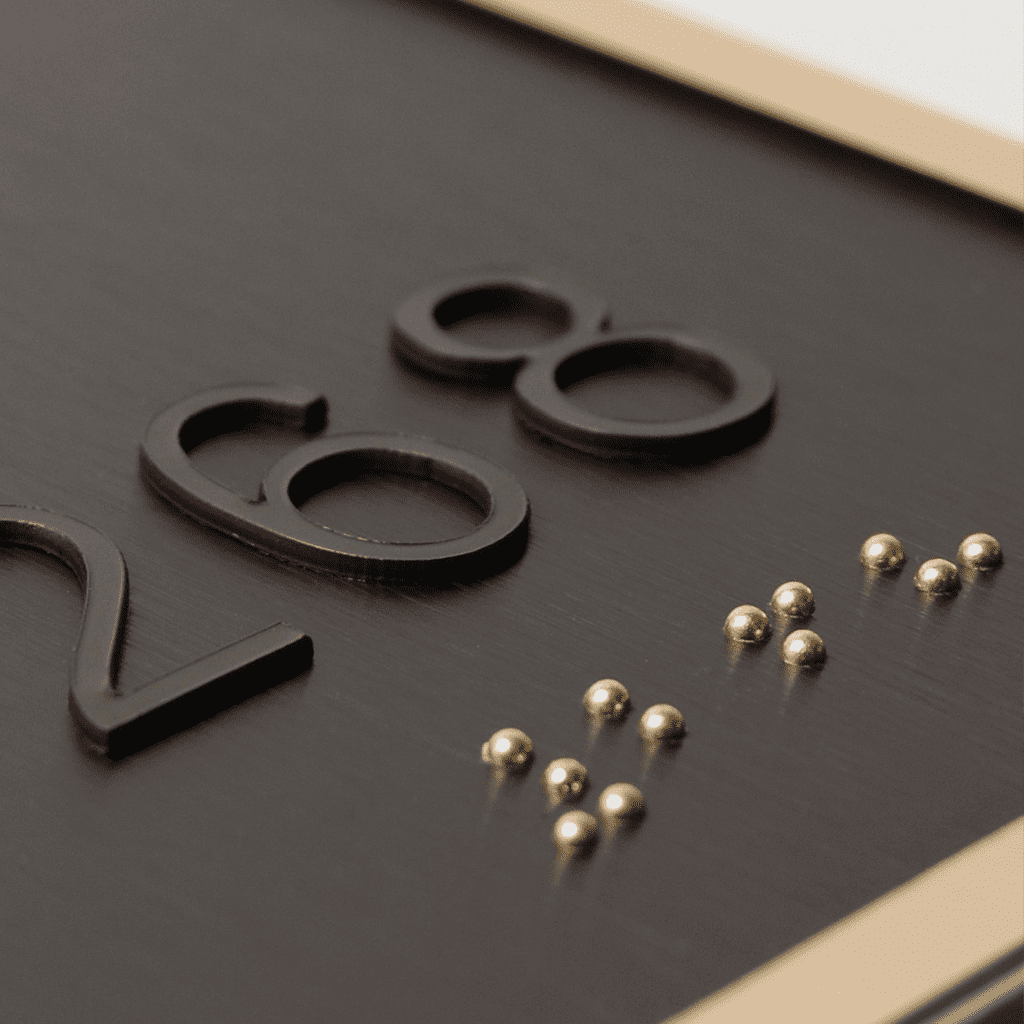
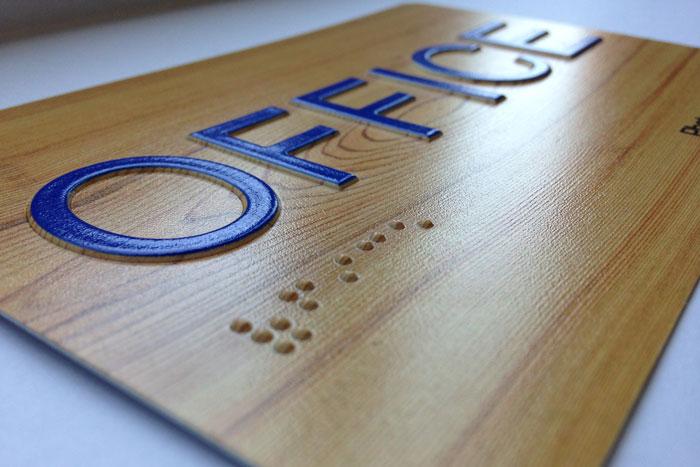
  • Raised (tactile) letters you can feel with your fingers

  • Braille (Grade 2 Braille, placed under the text)

  • High contrast between text and background (e.g. white on dark, dark on light)

  • Non-glare finish (no shiny reflections)

  • Simple, sans-serif fonts (no decorative scripts)

Common examples of ADA signs

Where are ADA signs required?

ADA signage is required in public buildings and commercial spaces in the U.S., such as:

  • Offices
  • Hospitals
  • Hotels
  • Schools
  • Retail stores
  • Government buildings
  • Multifamily residential common areas
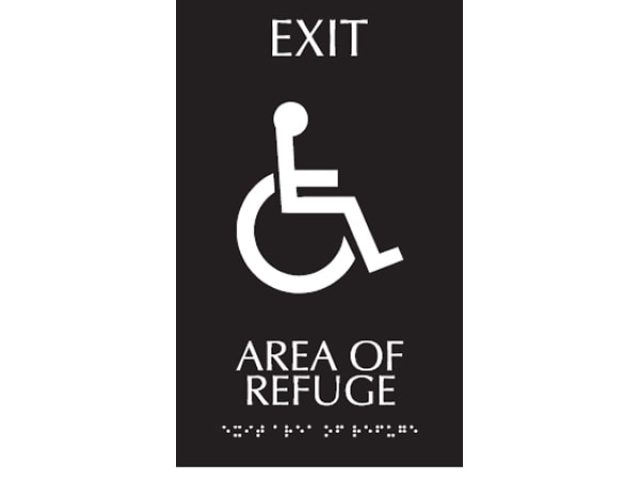
Area-of-Refuge-Exit-Signs

Apartments

Hotels

Offices

Important nuance

Not all signs must be tactile:

  • Room identification signs → tactile + Braille required
  • Directional signs (arrows, “Lobby →”) → visual only, no Braille required